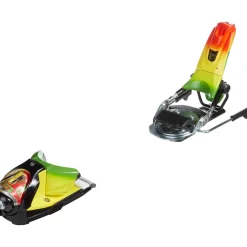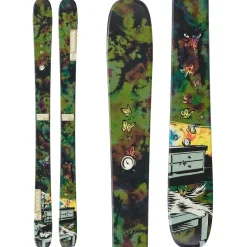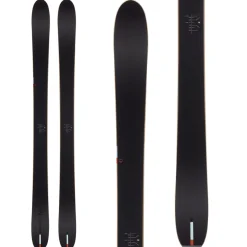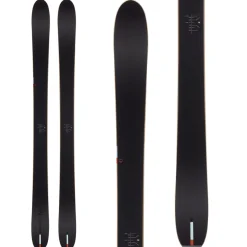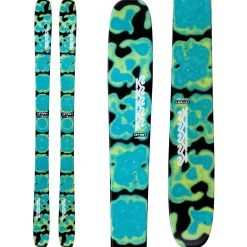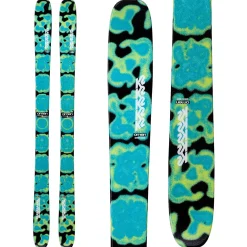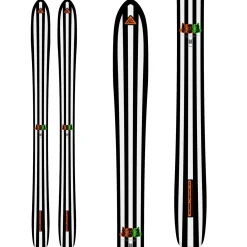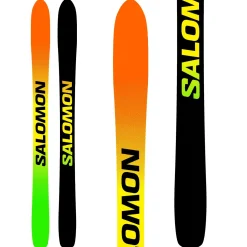
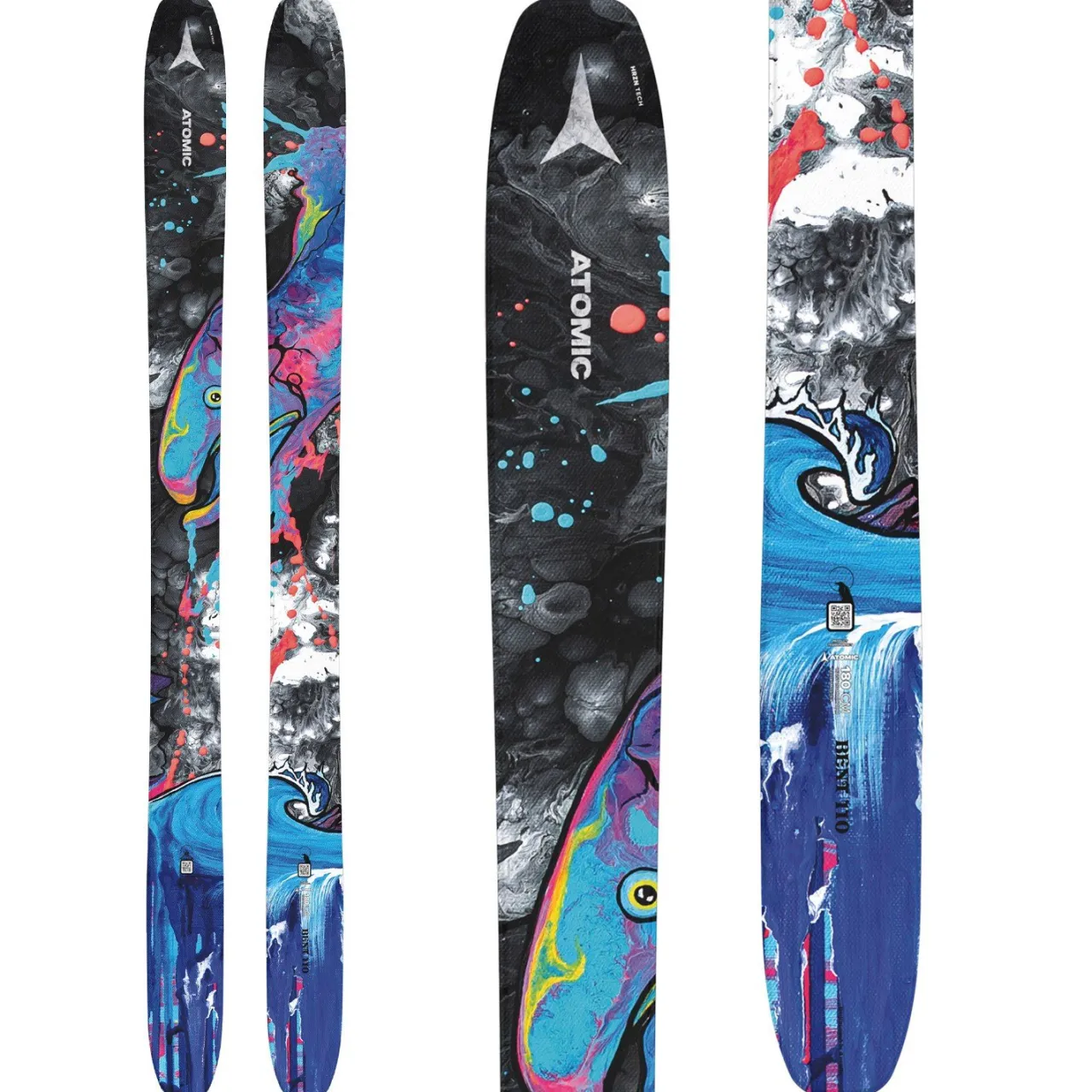
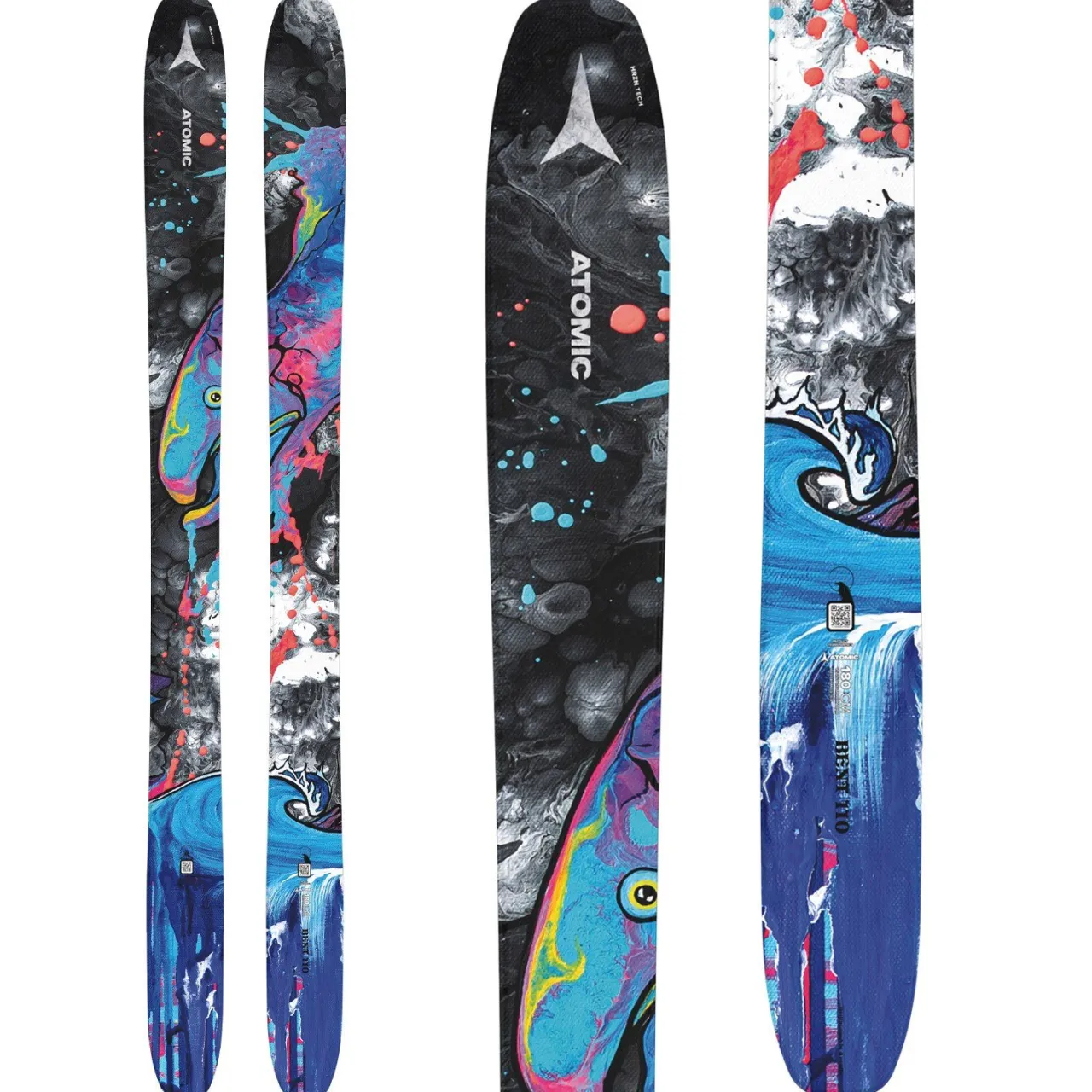
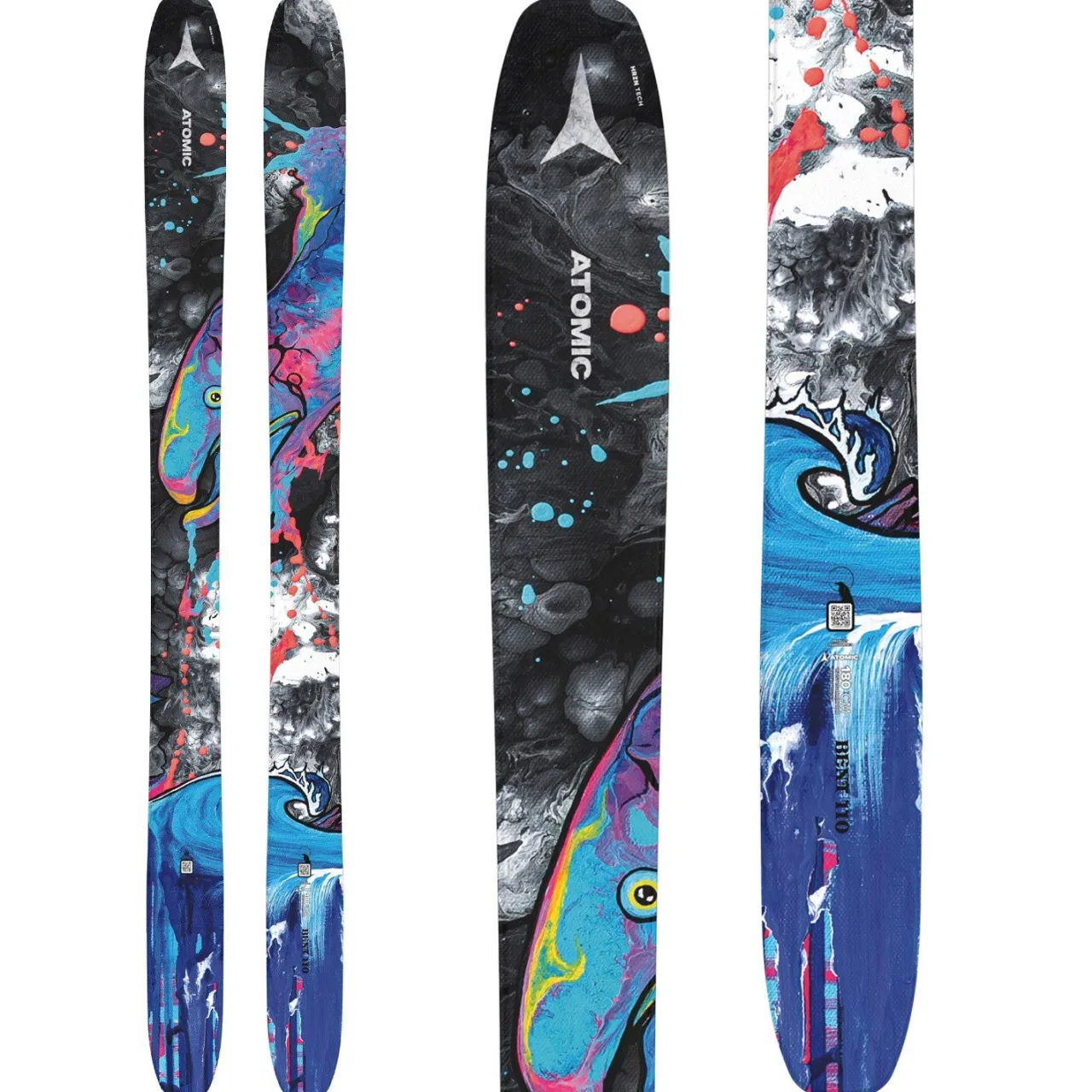
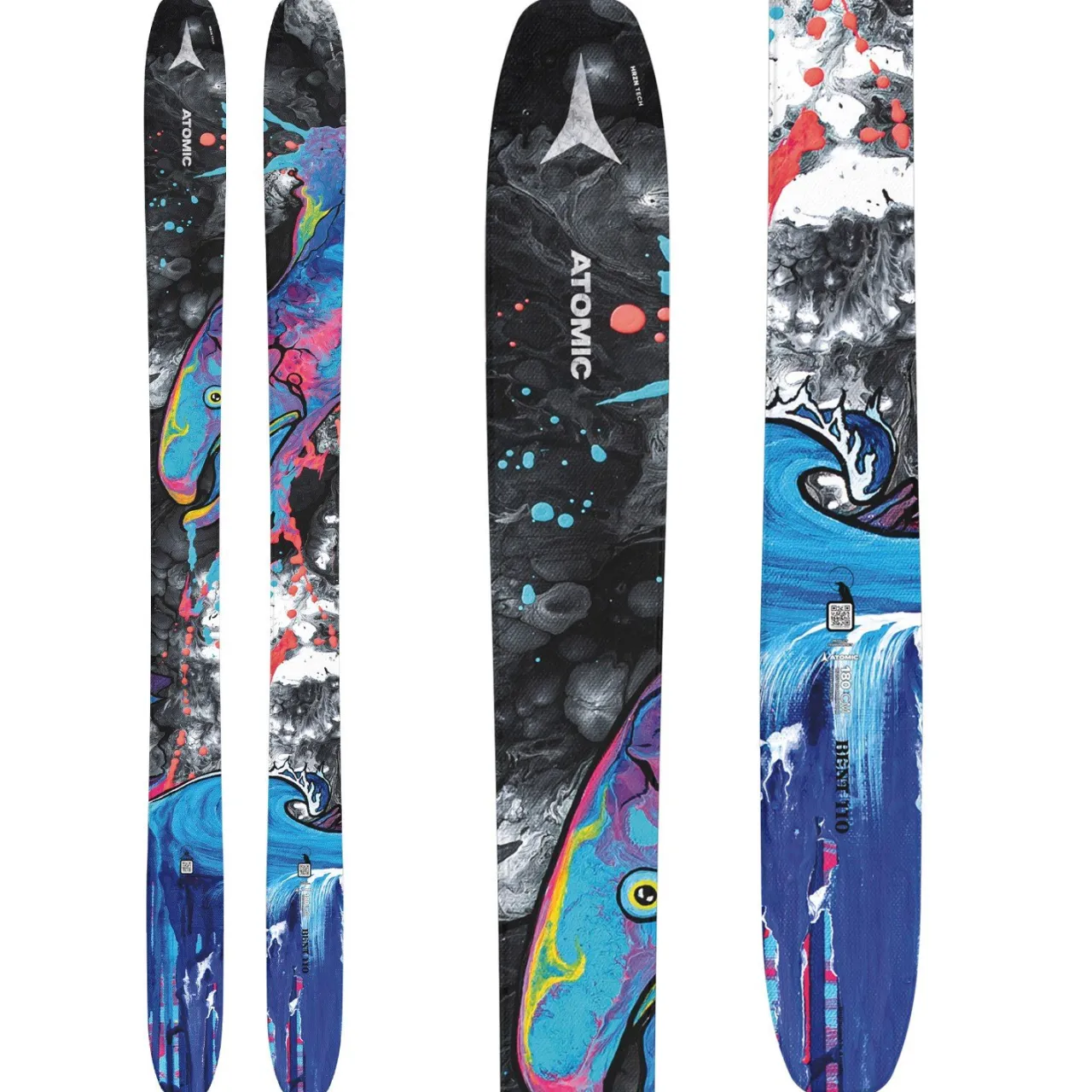
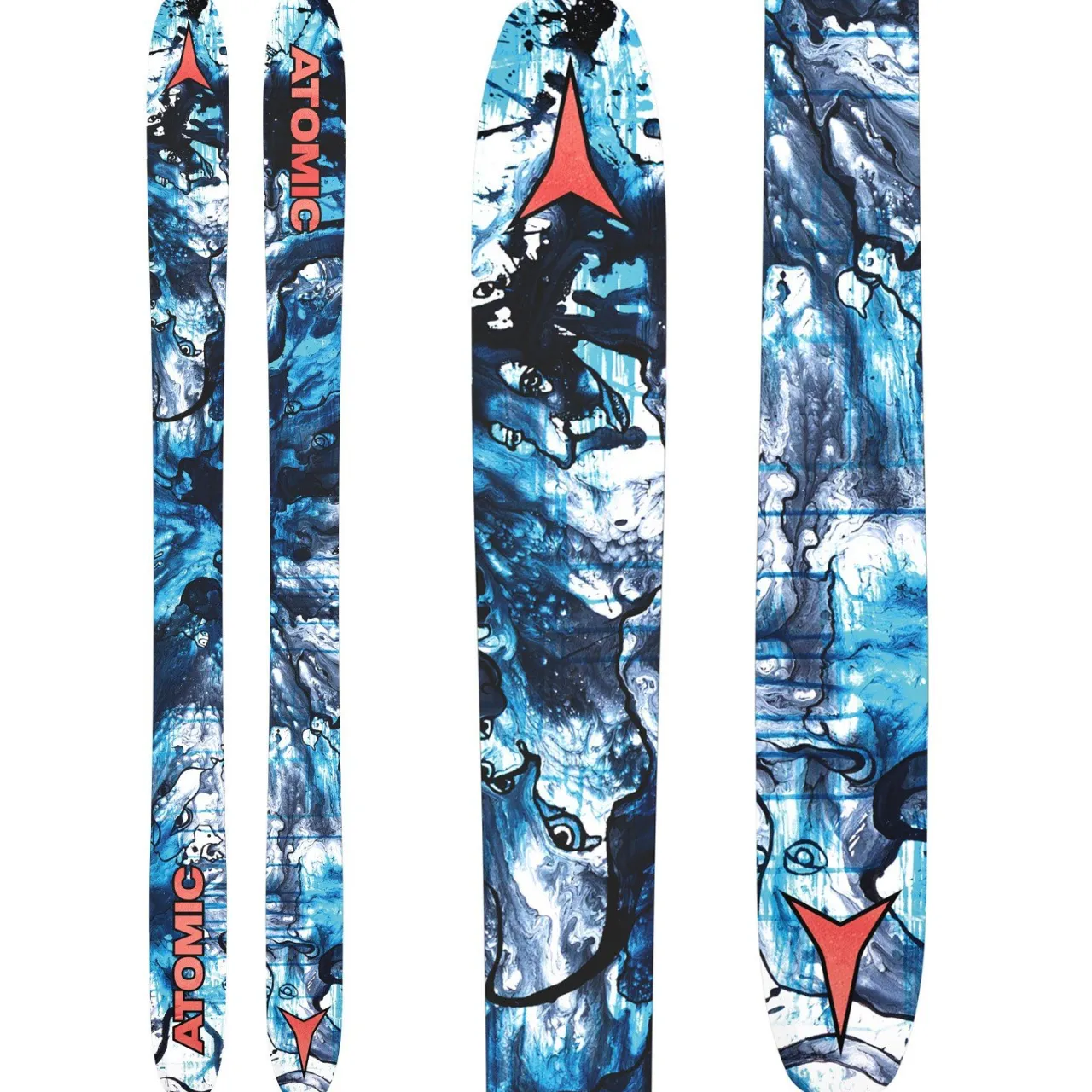
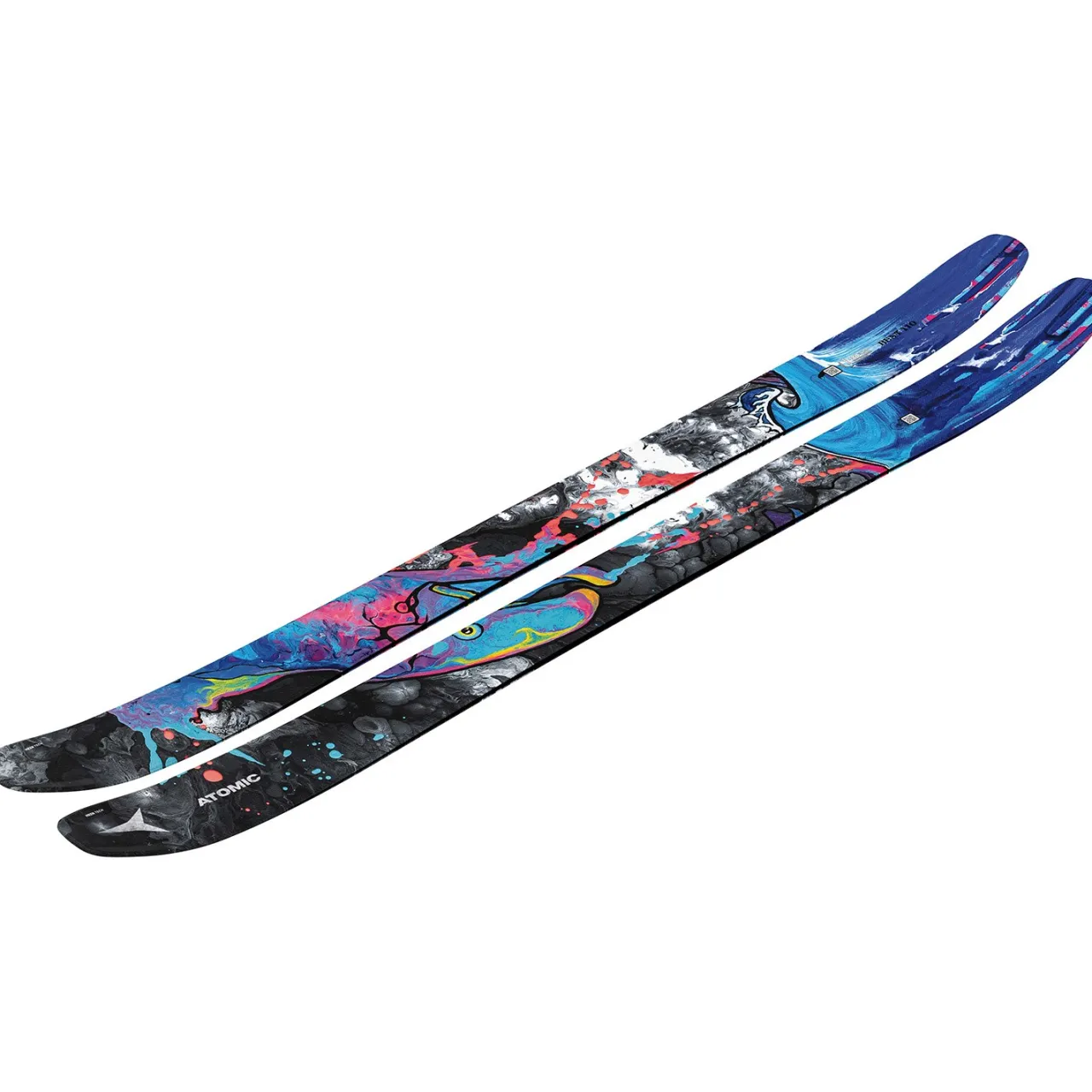
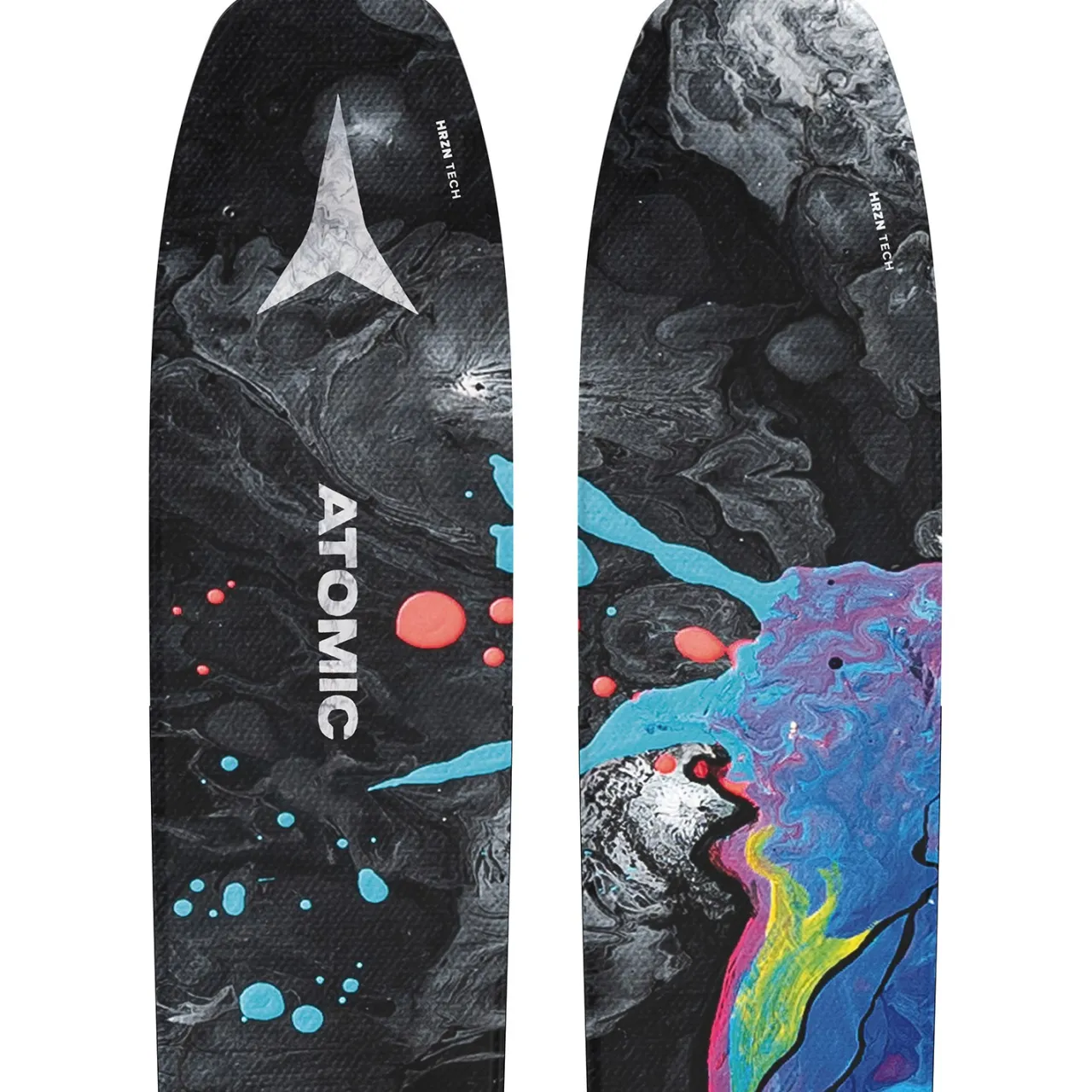
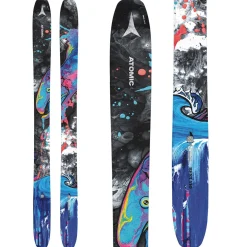
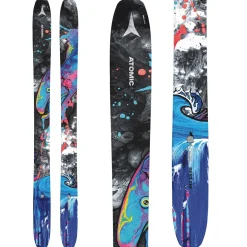
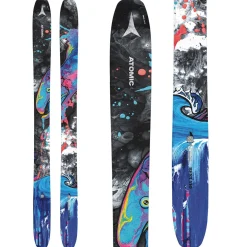
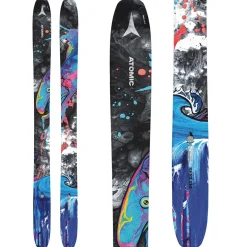
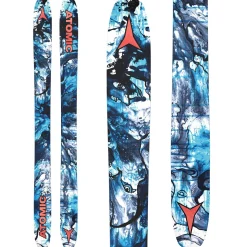
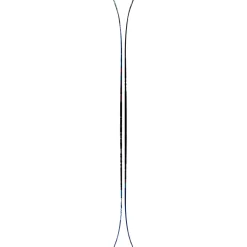
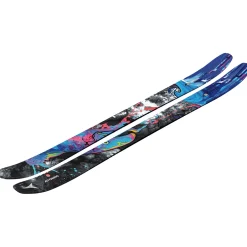
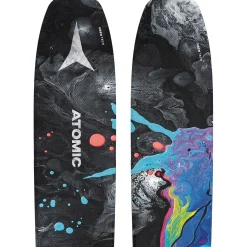
The idea of taking your tricks out of the park and into the pow has been the Bent Chetler raison d’etre for a while, but for years skiers had to choose between the powder hungry 120 and the more low tide-oriented 100. No longer. The Atomic Bent 110 Skis fill the niche so perfectly that they’ve the fastest skis to sell out on the evo wall two years running. Light, nimble, and 100% fun, the Bent 110 goes as hard in pow as it does in the park and even has a few touring proponents out doing nose butters on tech bindings.
              Â
Rocker Type
      Â
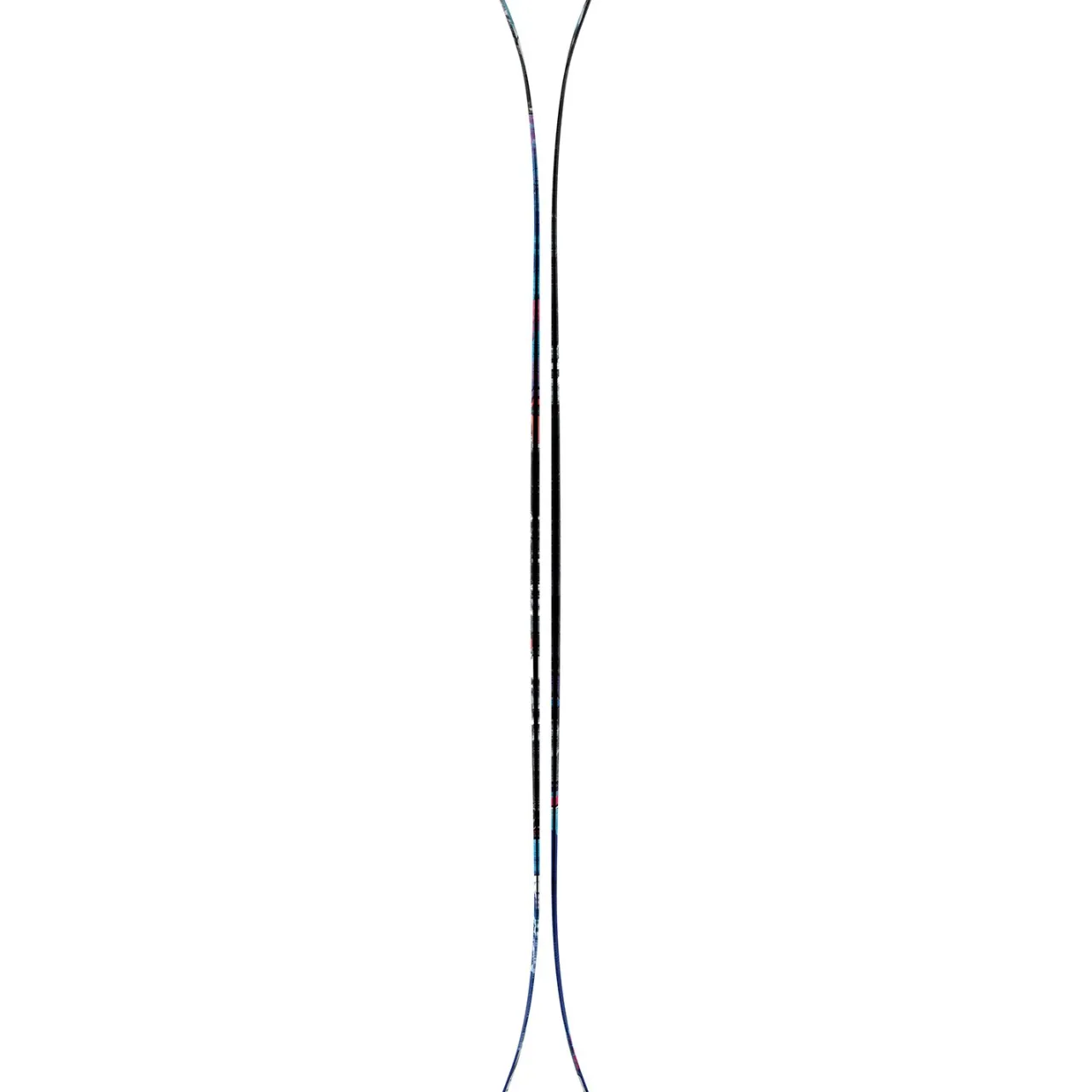
   Powder Rocker–        25% Tip Rocker / 50% Camber / 25% Tail Rocker
      Â
Shape
      Â
   HRZN 3D Bent Tip and Tail–        The Bent family uses the liveliest HRZN 3D, employing a full wrap tip and tail profile for more playful skiing in freestyle terrain.
      Â
      Â
   Directional Shape
      Â
Core
      Â
   Light Woodcore–        Made from poplar wood, this core optimizes the ski’s weight without sacrificing any shock absorption or stability.
      Â
Sidewalls
      Â
   Dura Cap Sidewall–        Sidewall for power transmission combined with a small cap for durability.
      Â
Base
      Â
   Atomic Base–        High-density sintered bases that are fast in a variety of snow conditions and accept wax readily.
      Â
Edges
      Â
   Atomic Edges–        Atomic edges are made from steel five times more wear resistant than standard steel, for strength and perfect grip.
      Â
      Â
   Base Edge Angle–        1˚
      Â
      Â
   Side Edge Angle–        3˚
      Â
Graphics
      Â
   Glossy Topsheet
      Â
Binding Compatibility
      Â
   We recommend a brake width equal to or at most 15 mm wider than the ski waist width.
      Â
              Â
          Â
      Â
- Â Â Â Â Â Â Â Â Â Â Â Â Â Â Â Â Â Â Â Â Â Â Â Â Â Â Â Â Â Â Â
-    Terrain:    All-Mountain, Big Mountain, Alpine Touring                                    All-MountainAll-mountain skis are designed to handle anything you throw at them including powder, ice, groomers, steeps, heavy snow, and everything in between, but they aren’t necessarily a master of any one terrain. If you’re only going to own one ski to do it all, this is what you want. All-mountain skis generally have what we call mid-fat waists that range from 80-110 mm.                    Big MountainBig mountain skis are designed for charging big lines with high speeds and big airs. These skis varry in width from wide, powder-oriented skis for skiing Alaska spines to narrower, mixed condition skis for ripping the beat up headwall at your local mountain. Skis in this category tend to be on the stiffer side, often with more rocker in the tip and less in the tail.                    Alpine TouringAlso known as backcountry skis, alpine touring (AT) skis are designed for going uphill as well as downhill. These skis are typically light for their width and many feature fittings that accept climbing skins. AT skis vary in width and weight, with the wider heavier versions usually used for winter/deep snow touring and the skinnier, lighter skis usually used for spring/summer/long distance touring.           Â
      Â
      Â
      Â


Reviews
There are no reviews yet.