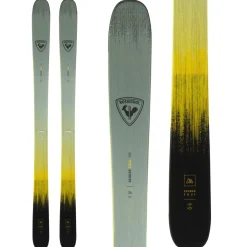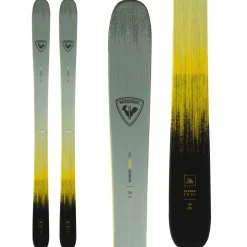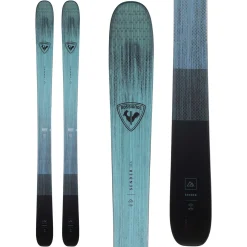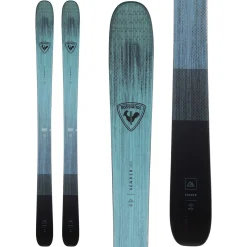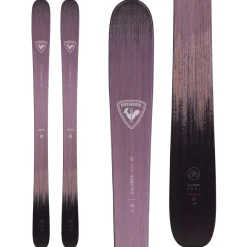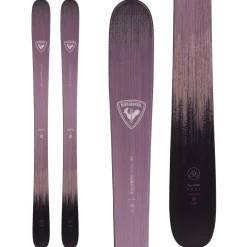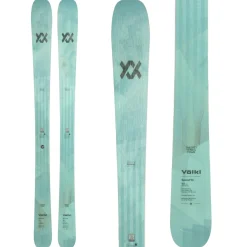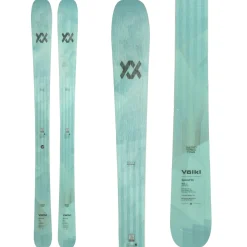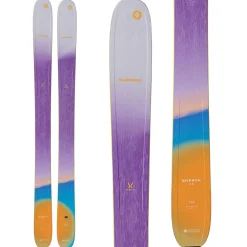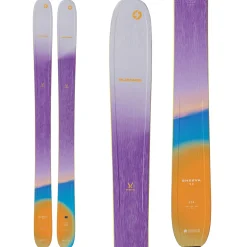
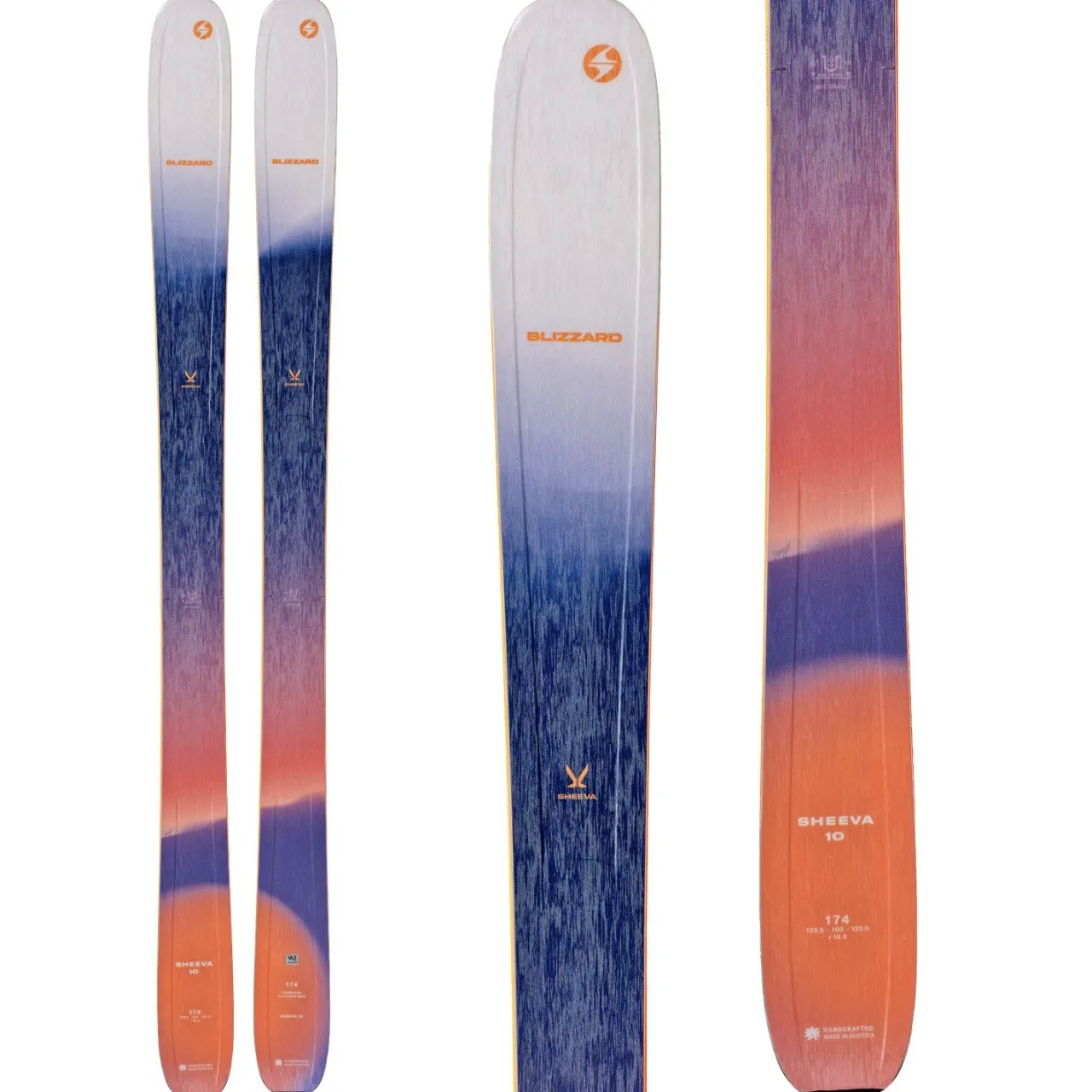
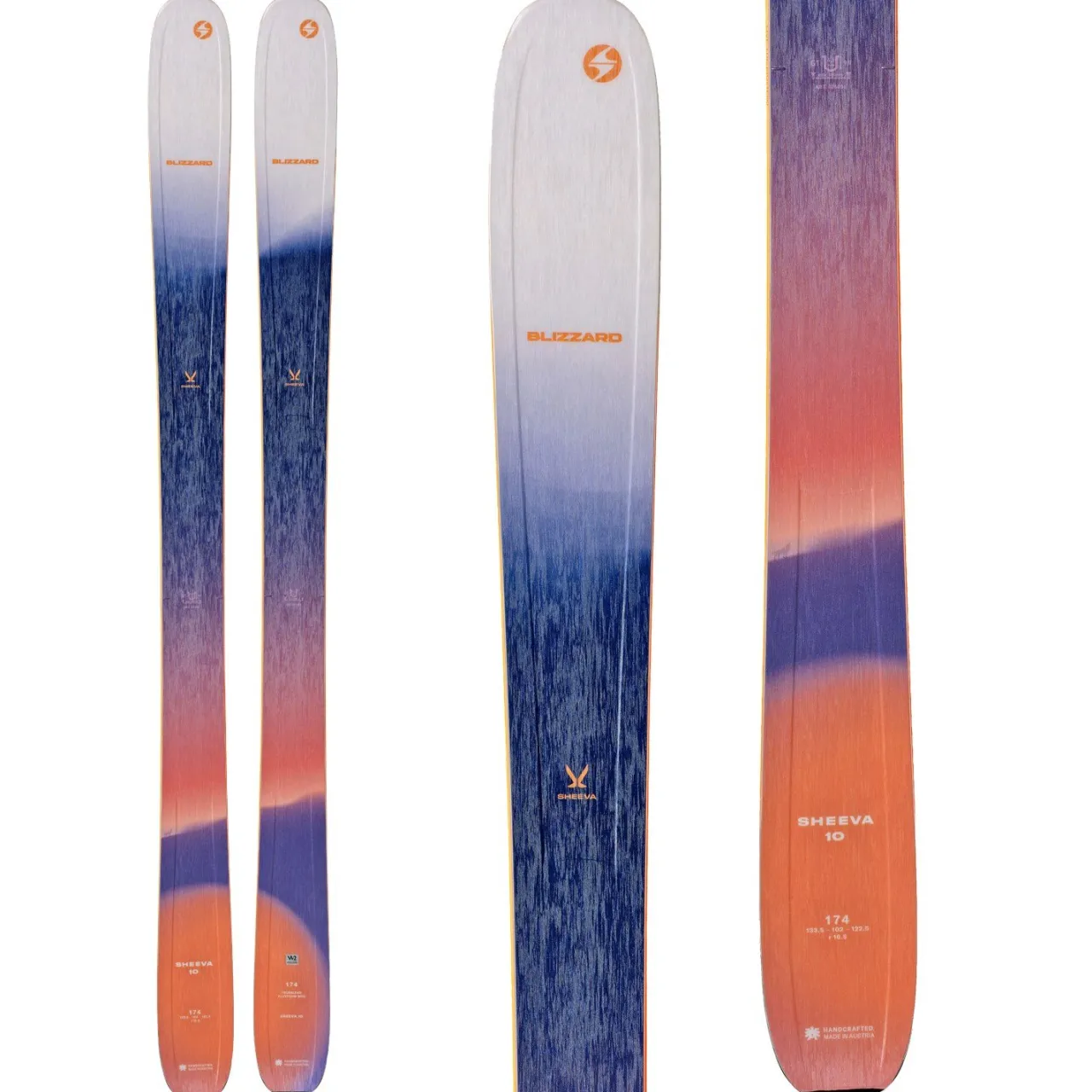
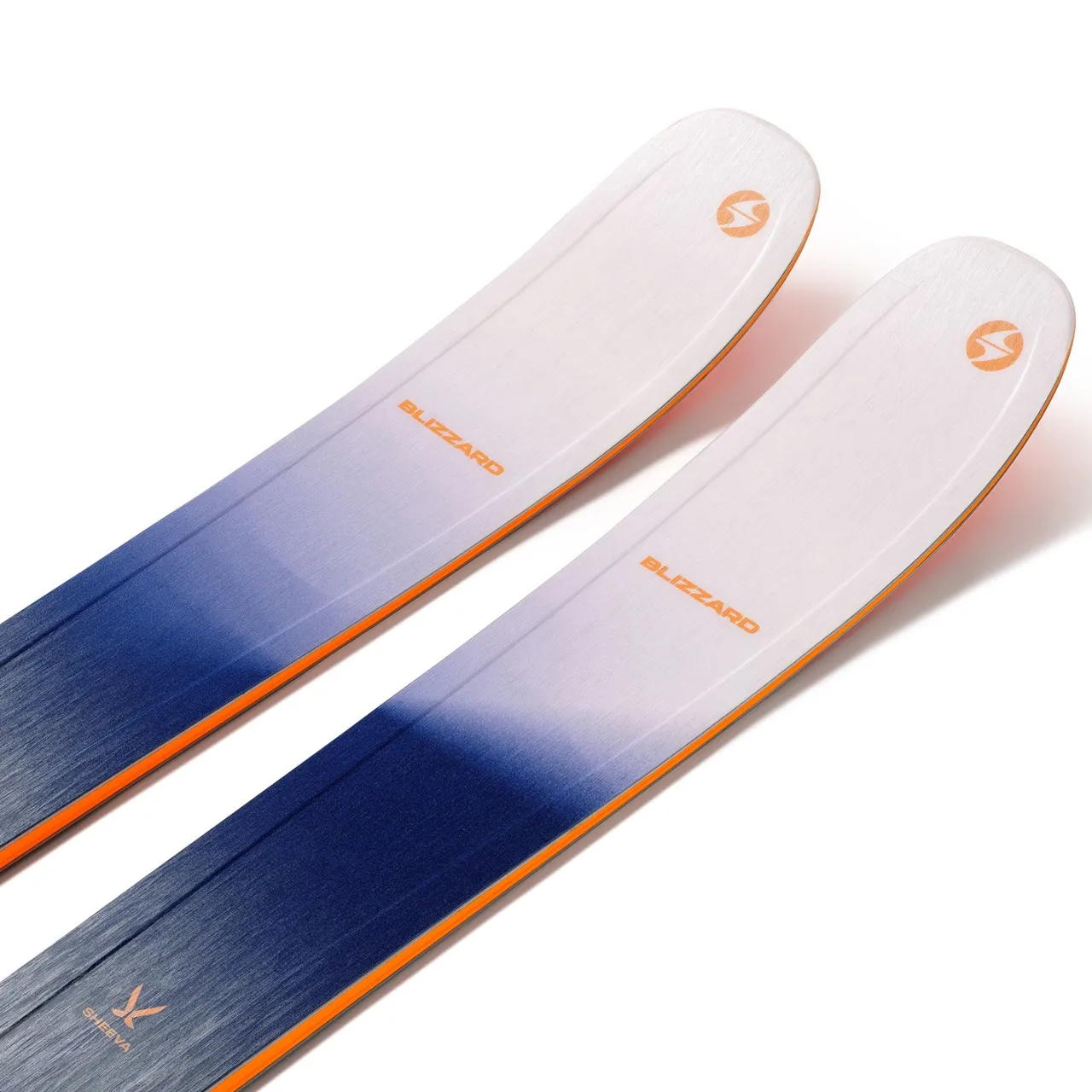
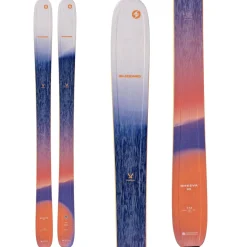
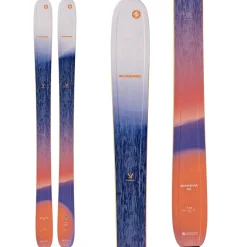
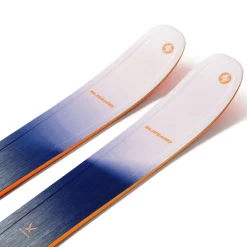
Blizzard’s Sheeva series has been the overwhelming favorite of hard charging freeride skiers for years now, with the ultra versatile Blizzard Sheeva 10 Skis taking the lead. At 102mm underfoot, but with plenty of surface area at the tip and a do-it-all rocker-camber-rocker profile, there is no day when this ski isn’t a great choice. Instead of the center “spear” of DRT Titanal, the new FluxForm build puts the metal around the perimeter of the ski and a shock absorbing binding plate under your bindings. The inside is also new, with a 3-component TrueBlend Freeride core making its debut in the Sheeva series. With a completely re-designed platform for 2024, some buyers may be wary, but take it from us – the ski is just as dominant if not more so than the previous version and you shouldn’t hesitate to pull the trigger.
              Â
Rocker Type
      Â
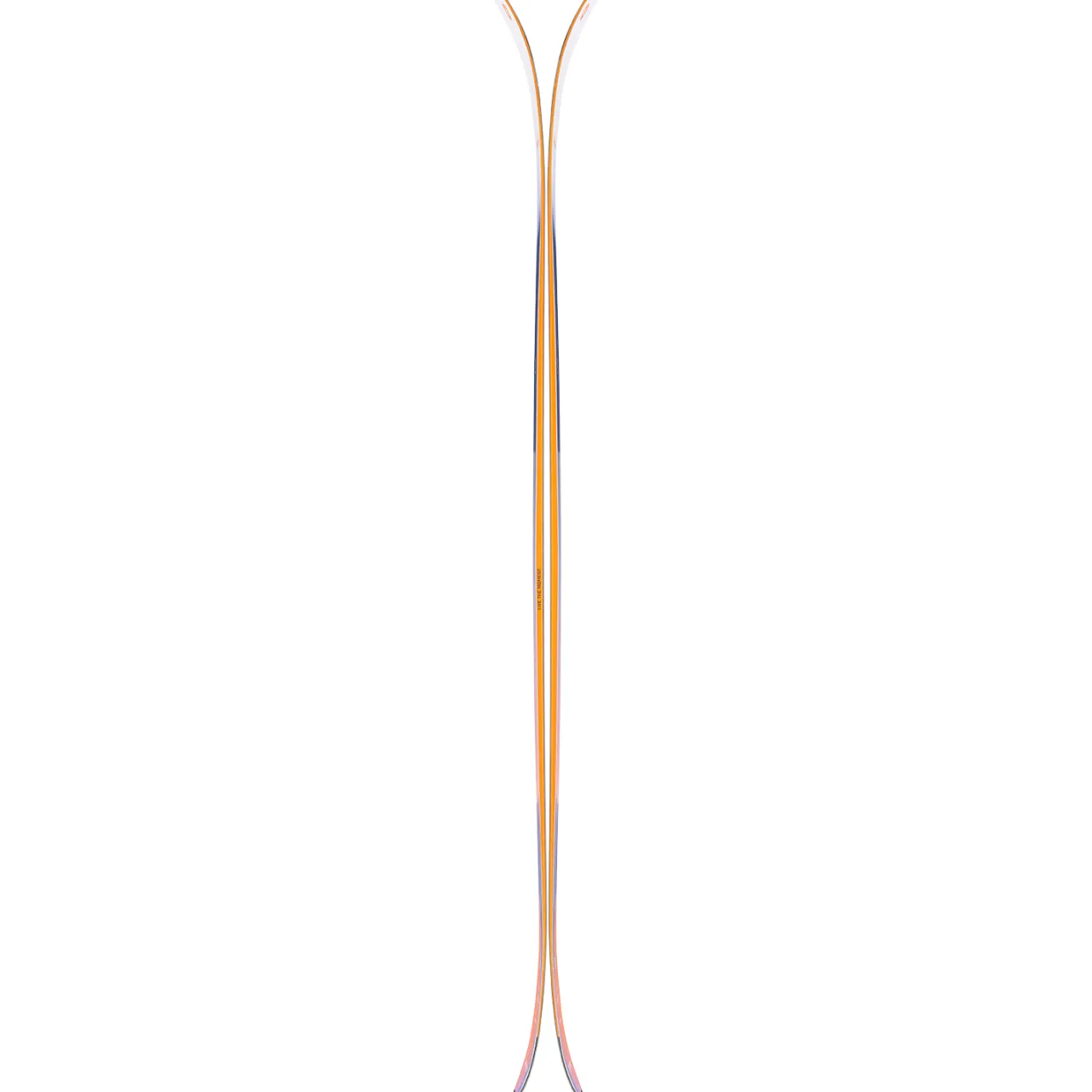
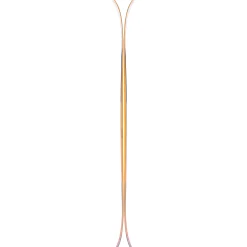
   Rocker Camber Rocker–        Ski profile with rocker at the tip and tail, camber in the middle. Reducing the pressure on the edge at the tip and tail makes the ski even easier to handle and increases flotation on powder snow. The camber guarantees great grip on packed snow.
      Â
Core
      Â
   TrueBlend Freeride Core–        Combining Beech, Poplar and Paulownia woods in a uniquely balanced blend that’s tailored to the performance needs of each Rustler or Sheeva ski, the TrueBlend Free cores are labor-intensive but allow the flex to be tuned more precisely than ever before.
      Â
Laminates
      Â
   FluxForm W.S.D.–        Two pieces of Titanal run the length of the ski on either side and taper toward the extremities of the ski. Combined with separate composite plate underfoot, this construction allows for precise edge grip and dampening underfoot while allowing the tips and tails to flex freely. FluxForm varies according to model, with the Sheeva 9 using more metal than the 10 or 11.
      Â
Sidewalls
      Â
   Sandwich Compound Sidewall–        All Blizzard skis with the exception of some junior skis are built with ABS or Phenol sidewalls for superior performance (stability, power transmission, handling) and durability.
      Â
Base
      Â
   Sintered Graphite Base
      Â
Binding Compatibility
      Â
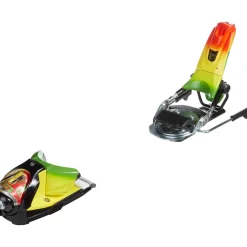
   We recommend a brake width equal to or at most 15 mm wider than the ski waist width.
      Â
              Â
          Â
      Â
- Â Â Â Â Â Â Â Â Â Â Â Â Â Â Â Â Â Â Â Â Â Â Â Â Â Â Â Â Â Â Â
-    Terrain:    All-Mountain, Big Mountain                                    All-MountainAll-mountain skis are designed to handle anything you throw at them including powder, ice, groomers, steeps, heavy snow, and everything in between, but they aren’t necessarily a master of any one terrain. If you’re only going to own one ski to do it all, this is what you want. All-mountain skis generally have what we call mid-fat waists that range from 80-110 mm.                    Big MountainBig mountain skis are designed for charging big lines with high speeds and big airs. These skis varry in width from wide, powder-oriented skis for skiing Alaska spines to narrower, mixed condition skis for ripping the beat up headwall at your local mountain. Skis in this category tend to be on the stiffer side, often with more rocker in the tip and less in the tail.           Â
      Â
      Â
      Â


Reviews
There are no reviews yet.