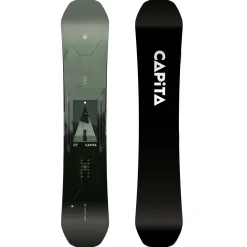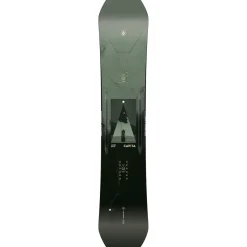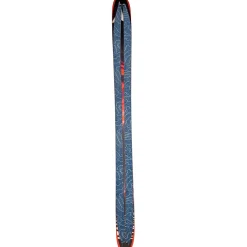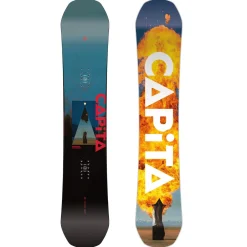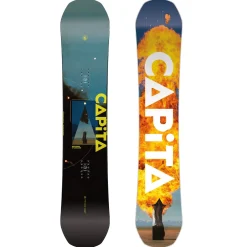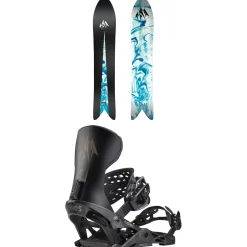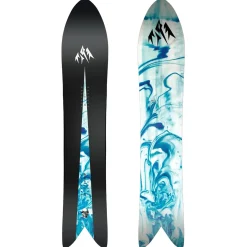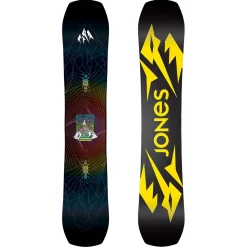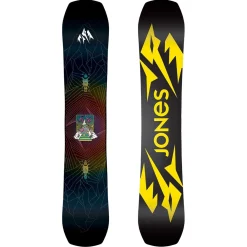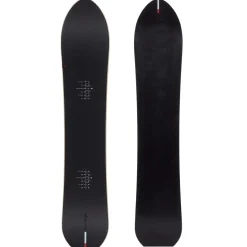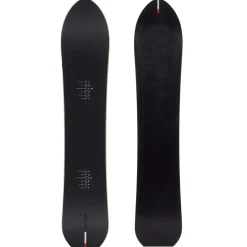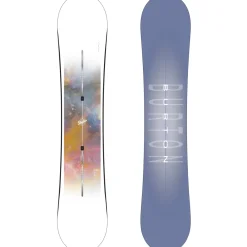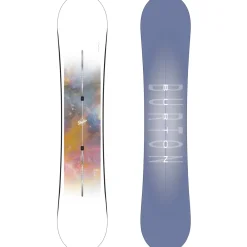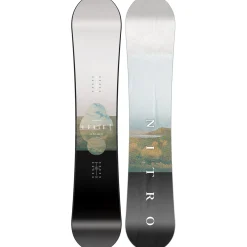
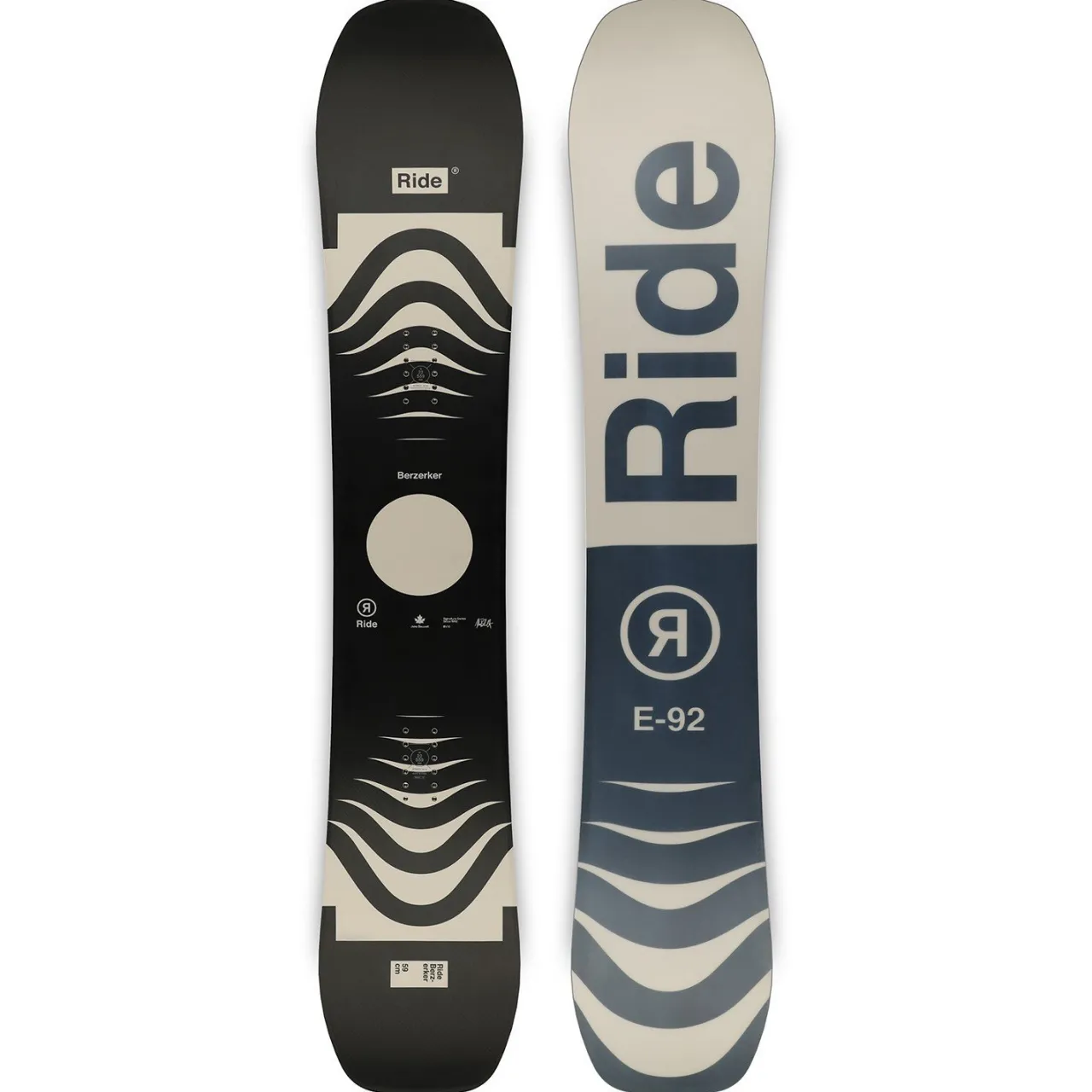
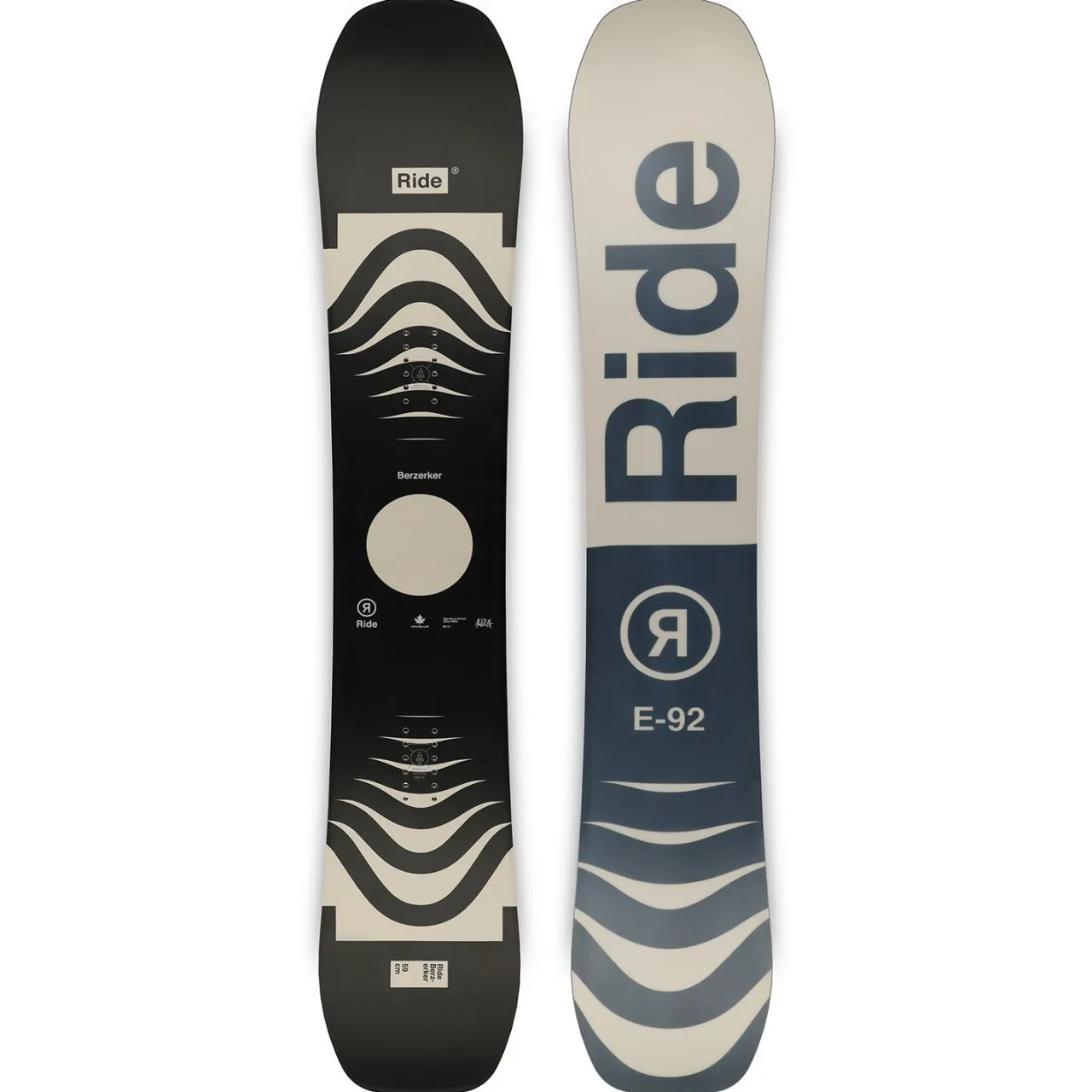
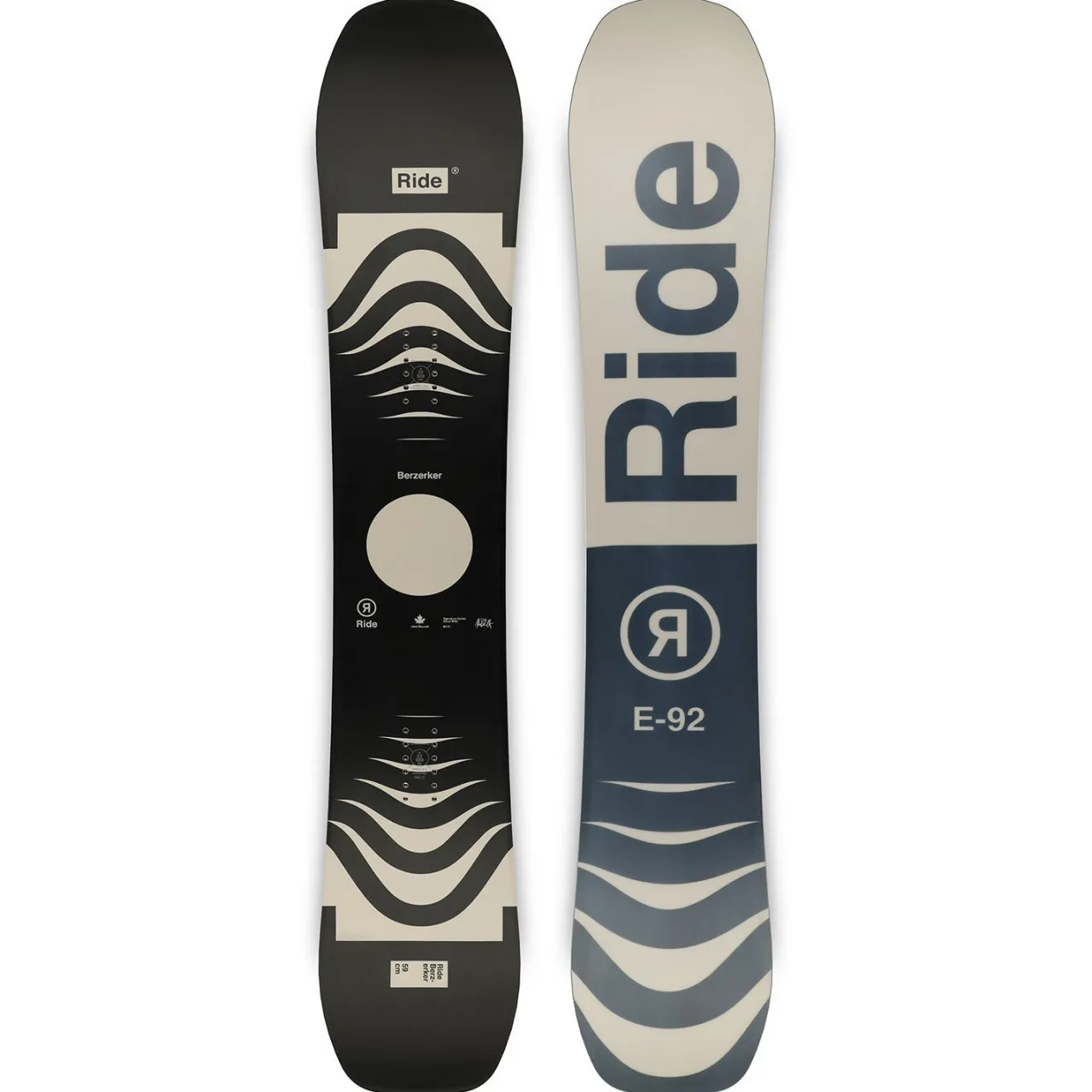
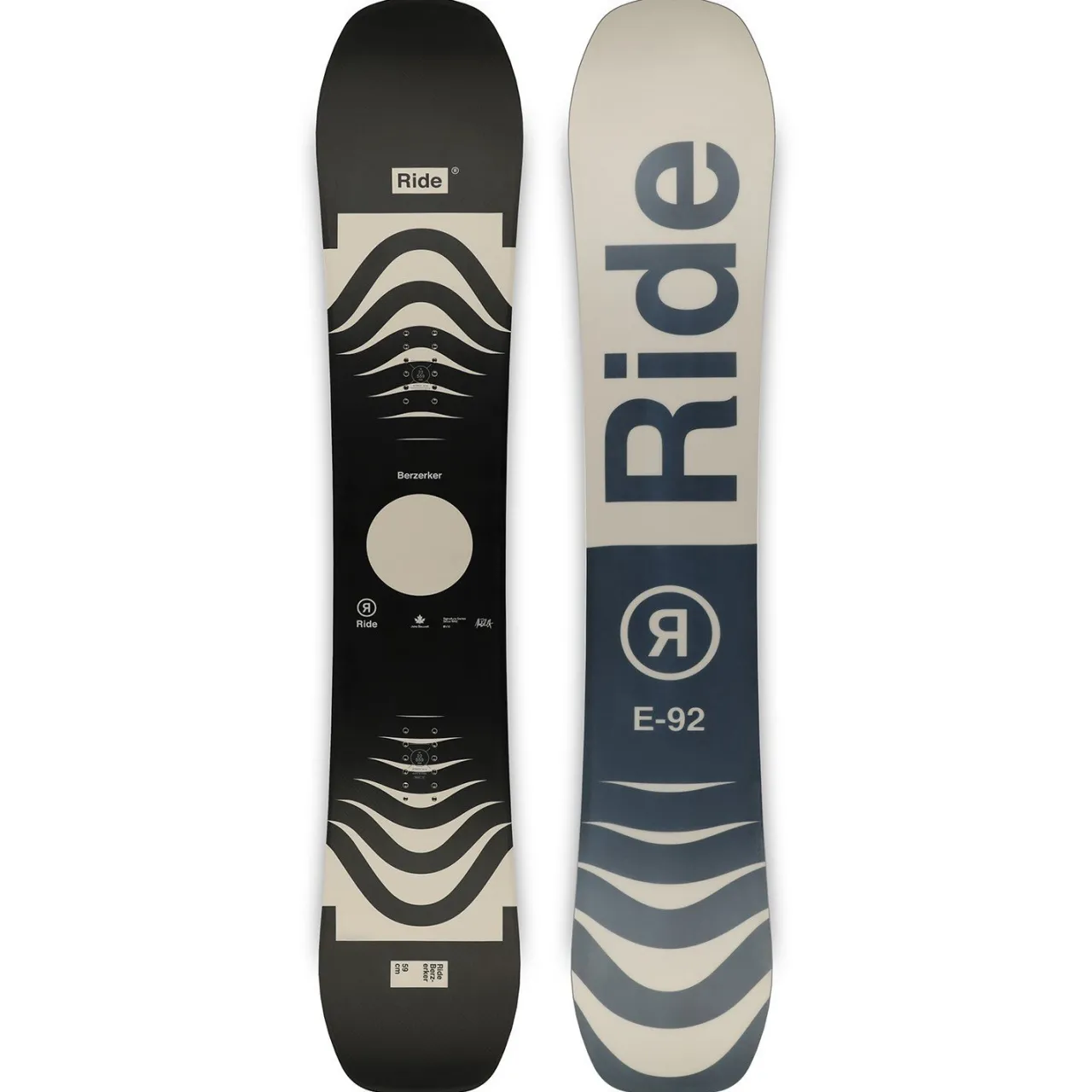
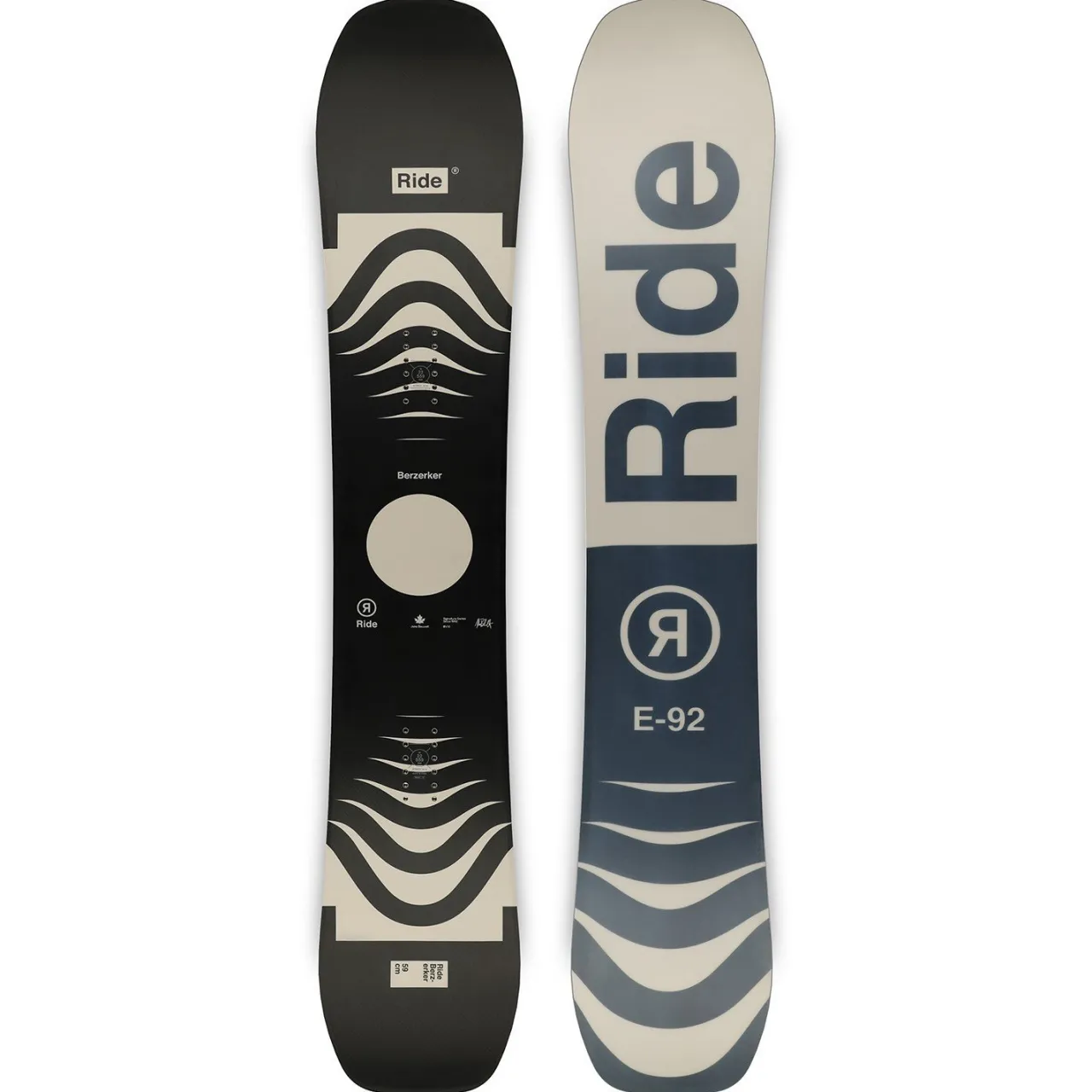
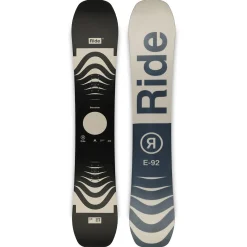
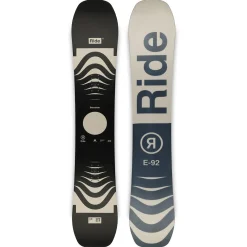
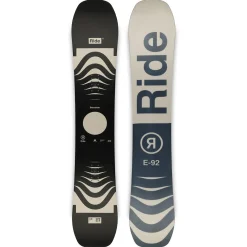
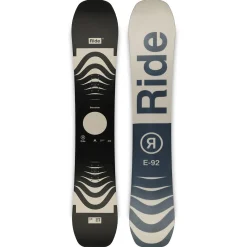
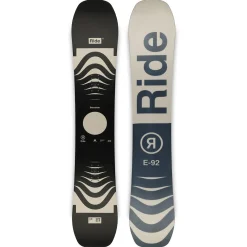
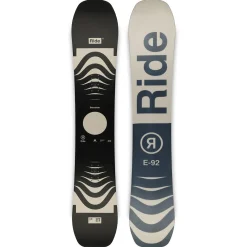
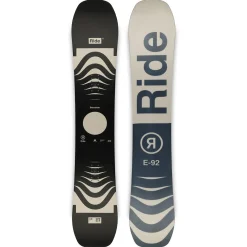
The Ride Berzerker Snowboard is a directional freerider with a full-gas-don’t-crash approach. Its tapered shape and stout flex mean it’s well equipped to handle the most manic descent down any terrain, but that doesn’t mean it’s too burly or one dimensional for normal resort duty. With goodies like the lightweight Performanceâ„¢ Core, Carbon Slimerodsâ„¢ 2.0, Double Impact Plates, and Carbon Array 3â„¢ construction, you can trust this board to perform all over the mountain.
              Â
Rocker Type
      Â
   Directional Extra Camber–        Directional, positive camber dominant shape with rocker just in the nose.
      Â
Flex
      Â
   Aggressive Response
      Â
Shape
      Â
   Tapered Quadratic Sidecut–        Blending of three radii to improve turn initiation/exit while providing the best grip possible. This design is uniquely formulated for each model based on its shape and riding style.
      Â
Core
      Â
   Performance™ Core–        High strength Aspen is combined with Bamboo and lightweight Paulownia wood to provide the perfect balance of strong and light.
      Â
Laminates
      Â
   Carbon Slimerods® 2.0–        RIDE’s Slimerods® give already fun and playful boards the added liveliness to set them apart from other boards. Using strategic placement in the boards tip and/or tail, this technology adds pop without the stiffness generally associated with snappy boards. Made up of flat carbon rods that wrap a urethane slime-core, Slimerods® have carbon for massive pop and a slime-core to smooth out the landing. Available in 2 levels: Slimerods® 1.0 & 2.0.
      Â
      Â
   Double Impact Plates–        Added underneath each binding area to improve compressive strength and prevent board breaks where it matters most. Offered in two levels, Single and Double.
      Â
      Â
   Carbon Array 3™–        This power distribution technology provides total board control in every stance location. Widespread carbon stringers placed at the binding zone gather input from any stance width and all pressure angles. Rider input is then channeled to the opposing contact point for maximum board control. Offered in two levels of technology, 3 & 5.
      Â
      Â
   Hybrid Glass–        Triaxial on top, biaxial on base; balanced torsional flex and stiffness for better response with speed.
      Â
Sidewalls
      Â
   Slimewalls®–        RIDE’s exclusive Slimewalls® are forgiving and ductile, absorbing impacts rather than defending against them. Just like your skate wheels, the urethane in Slimewalls® smoothes the interaction with the snow, wood or metal surfaces you may ride on. On top of all that, these babies are virtually indestructible, the most durable sidewalls in snowboarding.
      Â
      Â
   Roll-In Construction–        Unique 3D structure built around the urethane Slimewall® sidewalls. Designed to increase overall board strength, prevent topsheet chipping, and reduce weight.
      Â
Base
      Â
   Sintered, Stone Ground Base–        High-end sintered 4000 Ptex base material that is more durable, harder and faster than extruded.
      Â
Topsheet
      Â
   Topless Construction–        By transferring graphics directly to the fiberglass, Topless Construction removes the need to have any topsheet material. This process improves overall durability and reduces weight.
      Â
Binding Compatibility
      Â
   2 x 4 Inserts
      Â
              Â
          Â
      Â
- Â Â Â Â Â Â Â Â Â Â Â Â Â Â Â Â Â Â Â Â Â Â Â Â Â Â Â Â Â Â Â
-    Terrain:    All-Mountain, Freeride                                    All-MountainAll-mountain snowboards are designed for exploring the whole mountain. They are your go-to for a snowboard that will do anything. They feel at home on groomers, powder, park runs and almost anything in between. The vast majority of snowboarders choose all-mountain boards for their great versatility. If you’re just getting started or unsure of exactly what you need, an all-mountain snowboard is a great choice.                    FreerideFreeride snowboards are designed for the rider that spends most of the day off groomed runs and in backcountry terrain. They typically have a stiffer flex and are ridden in longer sizes than freestyle snowboards. Freeride snowboards often feature a directional shape that is designed to perform optimally in one direction.           Â
      Â
      Â
      Â


Reviews
There are no reviews yet.